Epilepsy Explained
Clinical training for professional caregivers
About Epilepsy Explained?
Epilepsy Explained was created to help professional caregivers to feel confident when supporting people with epilepsy. Founded by Sally-Ann Remnant, a Specialist Nurse in epilepsy care with over 30 years of hands-on clinical experience, our work is driven in compassion, understanding, and real-life practice.
We believe that when complex information is explained clearly and practically, it empowers caregivers to deliver safer, more person-centred care. As demand for trusted epilepsy education has grown, Sally-Ann has brought together a team of experienced senior nurse specialists who share her commitment to raising standards of care across the UK. Together, we are passionate about enabling people with epilepsy to live safer, fuller lives.

Our Mission
Our mission is simple: to bridge the gap between specialist knowledge and everyday care. We help nurses, carers, and families feel prepared instead of anxious, and support people with epilepsy, especially those with learning differences, to receive dignified, proactive care.
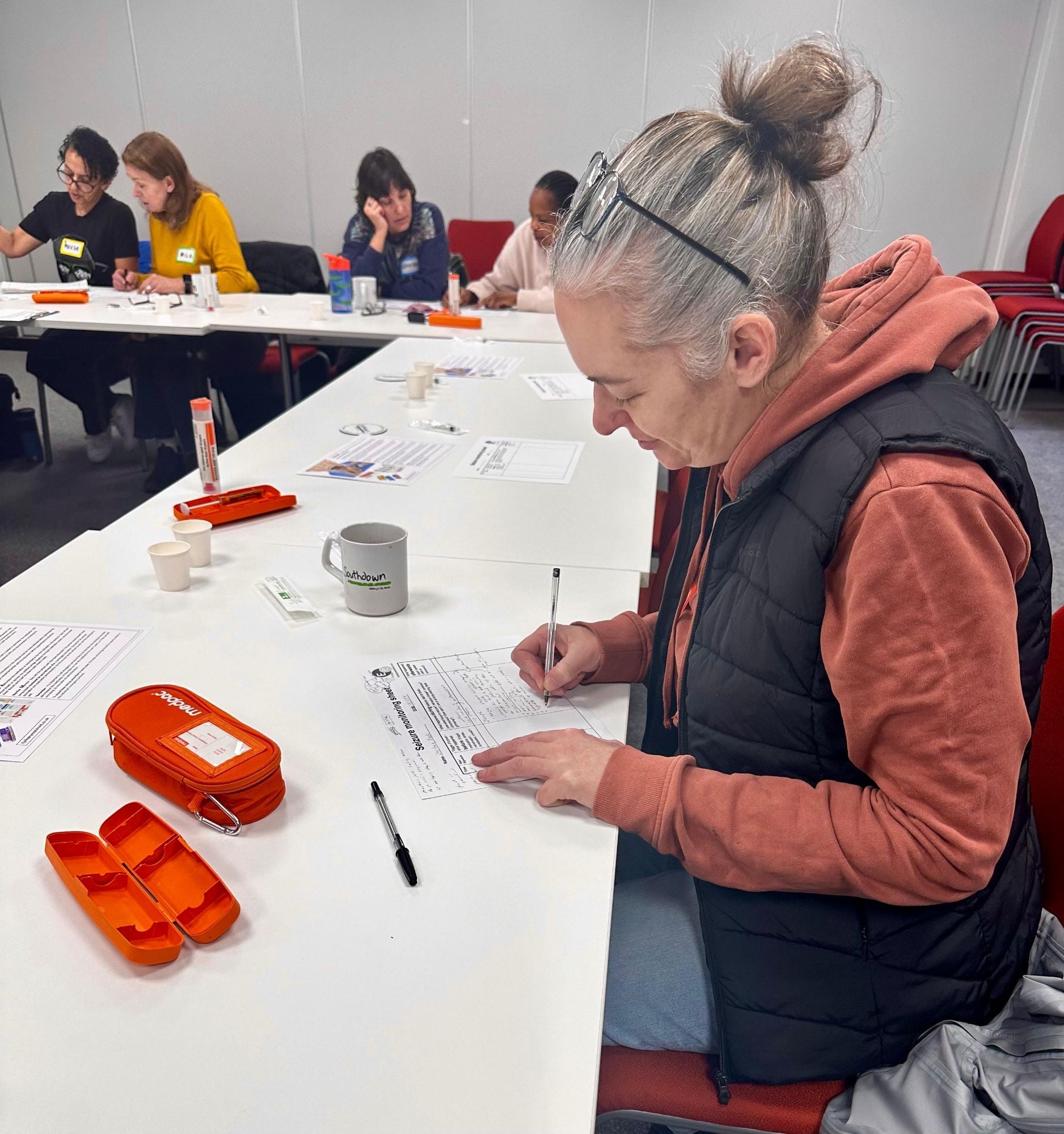
What We Offer?
Variety of Specialist Training Courses
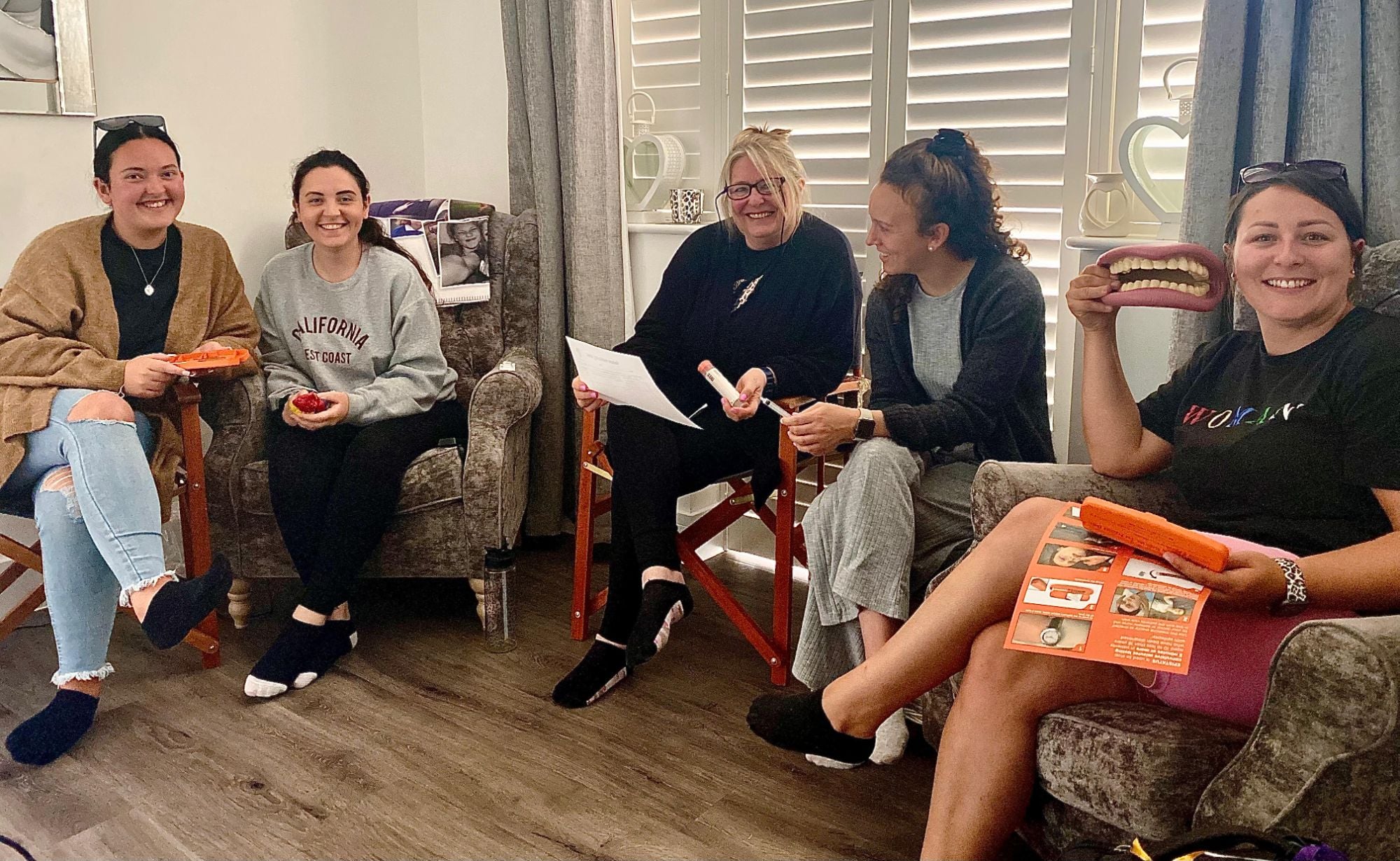
We have a range of training packages, including the option to personalise sessions to your individual needs. Our sessions hope to make complex neurology understandable, strengthen your emergency response skills, and improve day-to-day care.
Consultancy & Professional Support
Bespoke advice and education for complex epilepsy. Also risk management, care planning, service development and quality improvement. We help organisations raise care standards in epilepsy.
FAQS
What course is best for me?
Please Contact us with any questions.
To understand the courses we offer please check out the Training page (bespoke courses available)
Why is it important to do epilepsy awareness and rescue medication training?
Some organisations add this to their mandatory training schedule. This ensures that you have a standard of skills in order to care for a person with epilepsy on a daily basis and in crisis.
Is Epilepsy and rescue medication important to CQC?
Yes the Care Quality Commission: CQC England, Care Inspectorate Wales, Care Inspectorate Scotland and the Regulation and Quality Improvement Authority Northern Ireland, are responsible for reviewing the standards of health and care facilities across the UK. Part of this process is to guarantee that professional caregivers receive up to date training in all aspects of care which includes epilepsy and medicines management.
Why do you base your training on ESNA Guidelines?
These guidelines have evolved to ensure the safety of people with epilepsy, and to ensure that those who require buccal midazolam receive a best practice level of knowledge and intervention from their carers.
Can you bespoke the training to what my care staff need?
Yes indeed, if you explain your client group and what aspects of epilepsy care you need help with , we can add this to the training plan.
What areas of the UK do you cover?
Based in the South of England, however we can travel across the UK and the Channel Islands . The trainer may require accommodation prior to the training day.
I don’t have a venue?
We can help organise this for your staff/needs.
What happens if you feel one of your care staff does not quite achieve their goals for the day, or fails the test at the end?
My trainers will discuss this politely with the staff member. If they feel that they are not confident or knowledgeable after the training, they will report this to training organisers to consider re-training. Some reasons for this may include: inadequate pre-online awareness training, not engaging in training due to lack of interest or tiredness from possibly working a night shift prior to training.
What happens if I have to cancel the training that I have booked?
Please see terms and conditions regarding the cancellation policy.